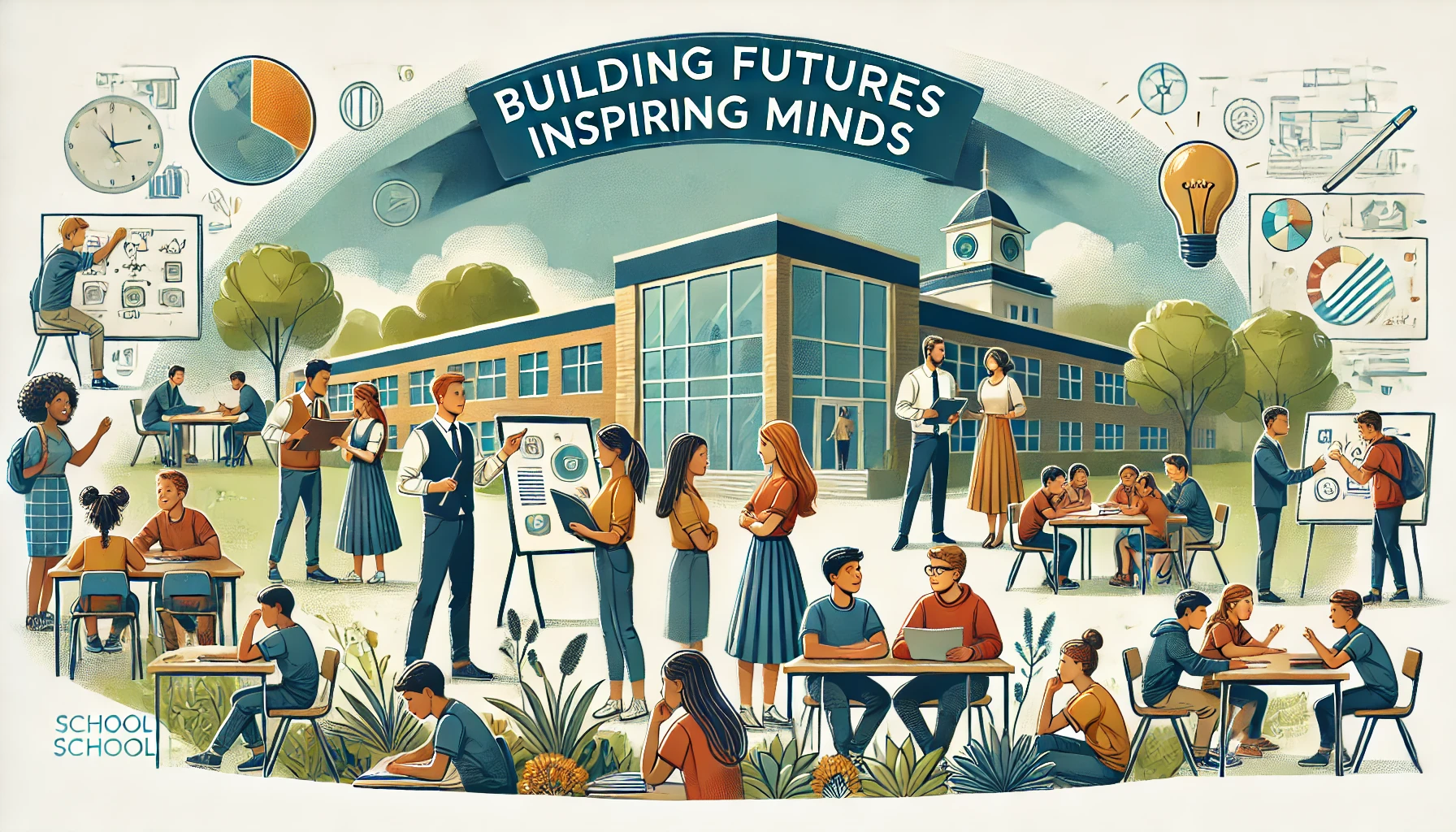
Every school has a personality. Parents notice it in the way your school communicates, the words you choose in your materials, and even the feeling they get when walking into your campus. But just like with people, a personality that feels out of touch or dishonest will push families away.
What Story Is Your School Telling?
If your school positions itself as “warm and family-centered,” parents expect to see that promise lived out in every detail: friendly staff greetings, consistent communication, and community-focused events. If your personality is “innovative and future-ready,” families will look for evidence in your curriculum, technology use, and student projects.
Ask yourself: When families look around, from your website to your hallways, does the story you tell match the experience they actually see? If not, that gap can quickly weaken trust.
…problems arise when a school says one thing and shows another.
Examples of School Personalities
A Montessori school may emphasize traits like “independent, curious, and student-led.” A traditional school might lean into “structured, disciplined, and academically rigorous.” Neither approach is wrong, but problems arise when a school says one thing and shows another. Branding elements, from website tone to social media posts, are most effective when they consistently reinforce the personality families experience in real life.
Why This Matters for Trust
Parents choose schools not only for academics but also for the environment they are sending their child into each day. A school that claims to be welcoming, innovative, or community-driven must demonstrate those qualities in visible, consistent ways. A school’s brand personality is only powerful when it feels true to the families you serve and true to the experience you provide.
★ So here’s the deeper question: If your school’s personality walked into the room today, would families immediately recognize it as the same one they encounter in your classrooms, your communications, and your community?